
Bradford Brinton: Gentleman of the West
A Legacy Woven into the Land and Arts of Sheridan County
A Landscape That Called to Him
To stand on the rolling fields of the Quarter Circle A Ranch, just south of Sheridan, is to feel the West operating at two speeds at once. The land moves slowly—grass bending under wind, cottonwoods marking the quiet course of Little Goose Creek—while history moves fast, layered and restless beneath your feet. It was this tension, between stillness and ambition, that drew Bradford Brinton west and ultimately anchored his legacy in Sheridan County, Wyoming.
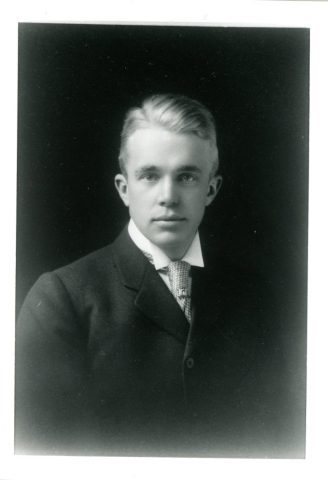
Brinton arrived not as a pioneer scraping out survival, but as a man already shaped by industry and privilege. Born in 1880 in Tuscola, Illinois, he was the heir to a family deeply involved in agricultural manufacturing. Educated at Yale’s Sheffield Scientific School, Brinton came of age during a period when American industry was transforming the nation. By his early adulthood, he held leadership roles within the family business and later at J.I. Case, navigating the demands of modern enterprise with skill and confidence.
Yet success in the East never fully satisfied him. Like many men of his era, Brinton felt the magnetic pull of the American West—a place that promised space, authenticity, and a deeper connection to land. Wyoming, and particularly Sheridan County, offered him something rare: a setting where work, art, and landscape could exist in meaningful balance.
The Quarter Circle A Ranch
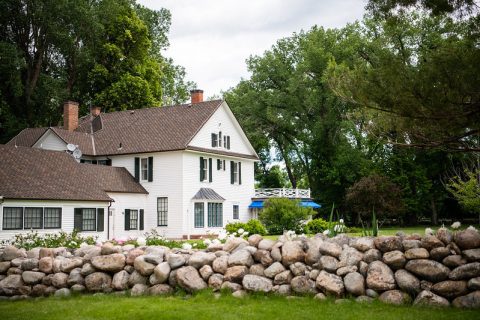
That balance took form in 1923, when Brinton purchased the Quarter Circle A Ranch near Big Horn. The property had already lived a working life as a cattle operation, but under Brinton it became something more layered. He respected the land’s agricultural purpose, continuing to operate the ranch, while also transforming it into a personal retreat and cultural outpost.
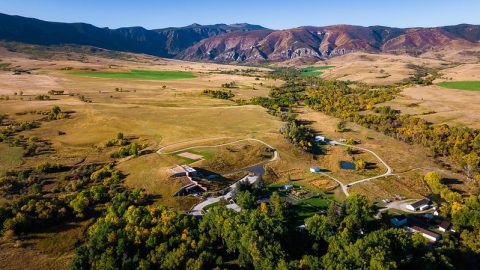
The ranch house evolved alongside his vision. Expanded and refined in the late 1920s, it retained its Western character while accommodating Brinton’s growing art collection and extensive library. Paintings, sculpture, and rare books filled the rooms—not as trophies, but as tools for understanding the place he had chosen to call home. Art, for Brinton, was not separate from the land; it was a way of interpreting it.
A Collector of the American West
Brinton collected with intention and discernment. He acquired works by Frederic Remington, Charles M. Russell, Edward Borein, Bill Gollings, and Hans Kleiber—artists who helped shape how the American West would be seen and remembered. Their depictions of cowboys, horses, and frontier life reflected both the romance and the reality of the region.
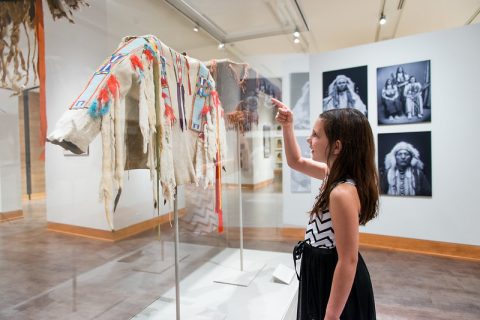
Equally important was his commitment to American Indian art. Brinton assembled significant holdings of Northern Plains beadwork, textiles, and cultural objects, recognizing that the story of the West did not begin with settlement. These works were not treated as curiosities, but as essential expressions of history, identity, and continuity.
Within the walls of the Quarter Circle A Ranch, these collections lived together, forming a holistic vision of the West—one that honored beauty, complexity, and truth in equal measure.
Brinton and the Sheridan Community
Sheridan County was not simply a setting for Brinton’s interests; it was a community he actively joined. He became involved in civic life and served as a founding director of the Sheridan WYO Rodeo, helping shape an event that would become central to the region’s cultural identity.
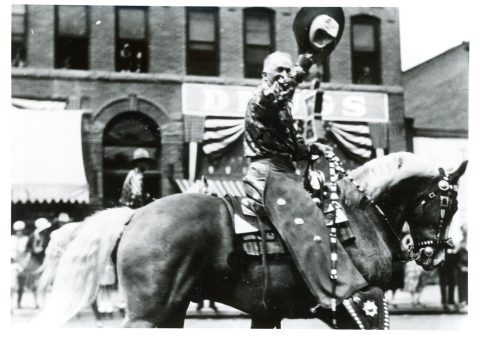
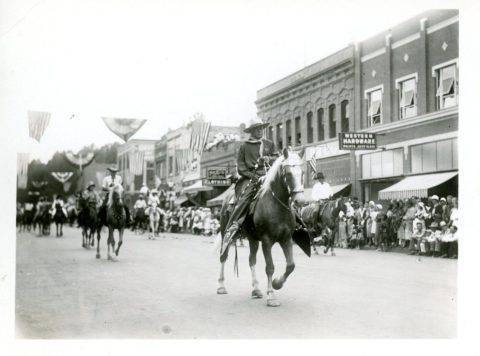
Photographs from the era show Brinton riding his palomino, Ol’ Pal, in Sheridan parades—hat tipped low, posture relaxed, fully at ease among ranchers, artists, and neighbors. He moved comfortably between worlds, bridging Eastern sophistication and Western practicality, private wealth and public engagement.
From Private Ranch to Public Legacy
Brinton’s life in Wyoming was impactful but brief. He died unexpectedly in 1936 at the age of 56, leaving behind the ranch, the collection, and an uncertain future for both. That uncertainty was resolved through his sister, Helen Brinton, who inherited the property and understood the importance of her brother’s vision.

When Helen died in 1960, she ensured that the ranch and its collections would be preserved and shared with the public. The following year, the Bradford Brinton Memorial & Museum opened its doors, offering visitors access to a place that had once been deeply personal.
Over time, the museum grew thoughtfully. The opening of the Forrest E. Mars, Jr. Building in 2015 allowed for expanded exhibitions, improved care of the collection, and a broader range of programming—while maintaining the integrity of the historic ranch setting.
Experiencing the Brinton Museum Today
Visiting the Brinton Museum today is an immersive experience shaped by both art and landscape. The approach itself signals a shift in pace, as the road gives way to open grasslands and mountain views. Visitors often begin in the historic ranch house, where original furnishings, artwork, and personal objects offer an intimate introduction to Bradford Brinton’s life.
From there, the experience expands into the modern galleries of the Mars Building. Rotating exhibitions present Western American art, American Indian art, and contemporary works that explore how the idea of the West continues to evolve. The dialogue between historic and modern spaces is intentional, reinforcing the museum’s role as both steward and storyteller.
Outside, walking trails wind through wildlife habitat and native grasslands, inviting visitors to slow down and reflect. Lectures, artist talks, workshops, and seasonal events ensure that the museum remains dynamic, offering new perspectives with each visit.
Sheridan County’s Broader Art Scene
The Brinton Museum stands as a cultural anchor, but it is part of a much larger creative ecosystem. Throughout Sheridan County, art is deeply woven into daily life. Downtown Sheridan features galleries and studios showcasing Western realism, wildlife art, sculpture, ceramics, fiber arts, and contemporary work.
Organizations such as the SAGE Community Arts Center support exhibitions, education, and public art, while gallery walks and open studio events invite visitors into direct engagement with artists. Murals, performances, and cultural festivals further animate the community.
For visitors, experiencing Sheridan County’s art scene is best done slowly and with curiosity—lingering in galleries, attending a talk, or meeting artists whose work reflects the landscapes just beyond town. Together with the Brinton Museum, these experiences reveal a region where creativity is not imported, but grown from the land itself.
An Enduring Vision
Bradford Brinton’s greatest legacy is not confined to a building or a collection. It lives in the idea that art, history, and landscape are inseparable—that culture gains its power when it is rooted in place and shared generously.
What began as one man’s refuge has become a public inheritance. At the Brinton Museum and throughout Sheridan County, Brinton’s vision endures in quiet galleries, open fields, and ongoing conversations about what the West has been—and what it continues to become.
