Season 3. Episode 3. The Bikerider.
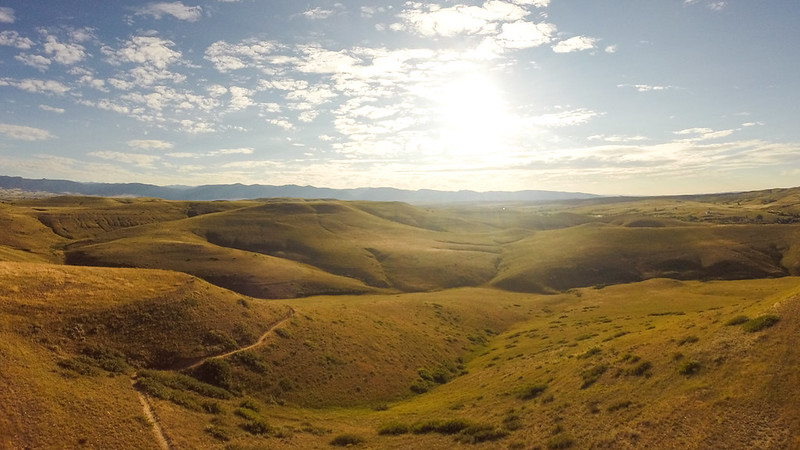
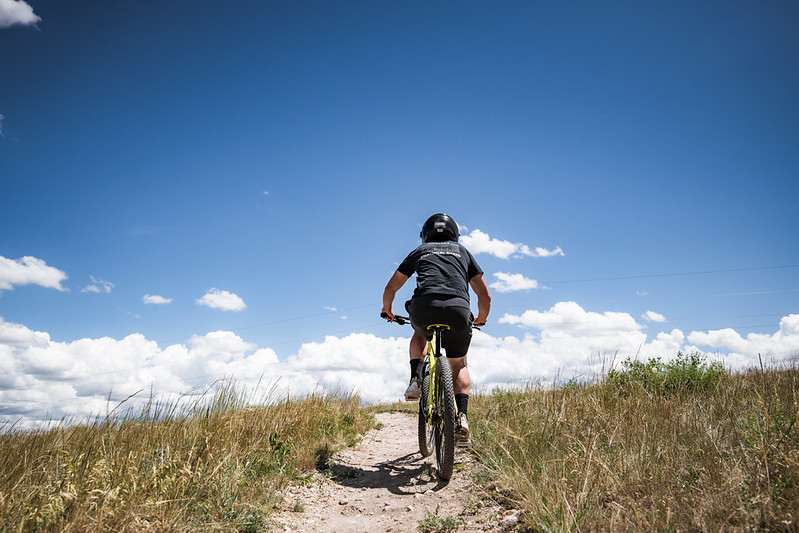
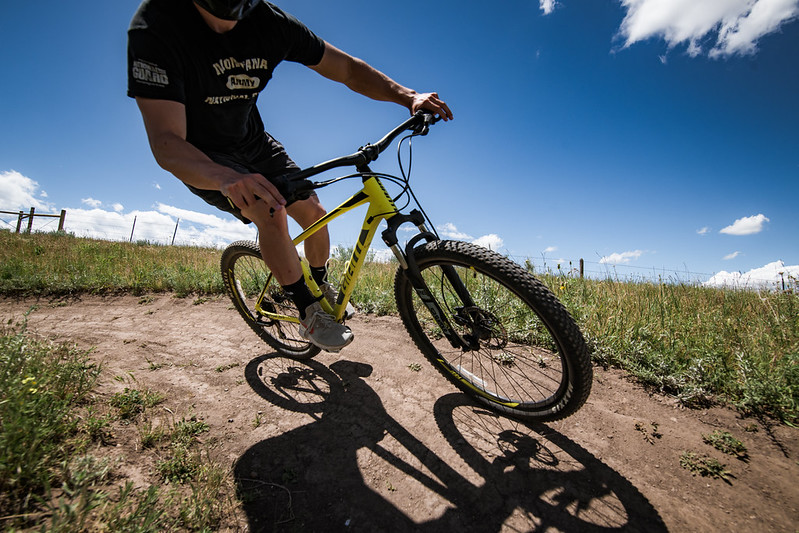
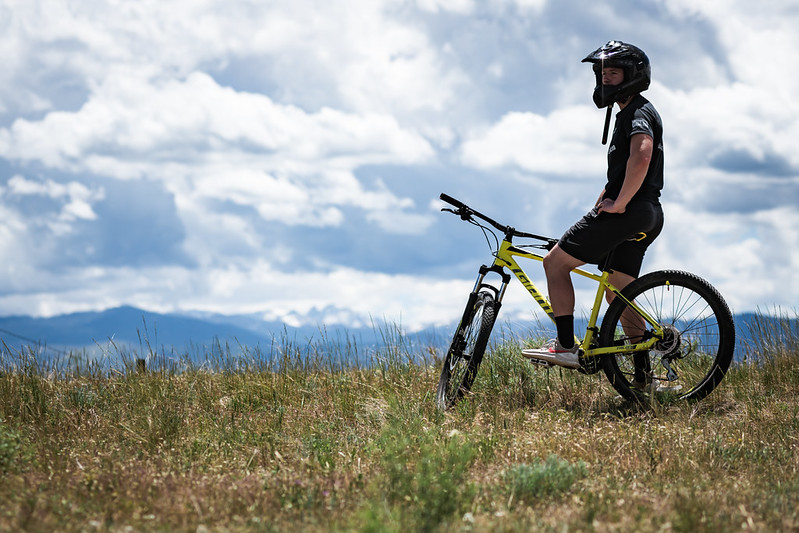
Epic mountain biking lines are never far afield in Sheridan County. Within minutes of downtown, the land opens, and the trails begin. The climb onto Soldier Ridge feels like stepping onto a threshold. The trail rises into open sky; a ribbon of dirt etched along the spine of the foothills. Soldier Ridge Trail offers that rare kind of perspective—360 degrees of Wyoming, wind-brushed and unguarded, where you can watch weather move across valleys in a single glance. It’s just four miles on the way out, but it carries the scale of something much larger.
Nearby is Hidden Hoot Trail. The name fits. The trail slips into shaded draws and skirts wetlands where the air cools and the sound changes—wind traded for birdsong, gravel for loam. It’s a looping, three-mile route, beloved by locals not just for its rideability, but for its intimacy. You feel closer to the land here, tucked into its folds.
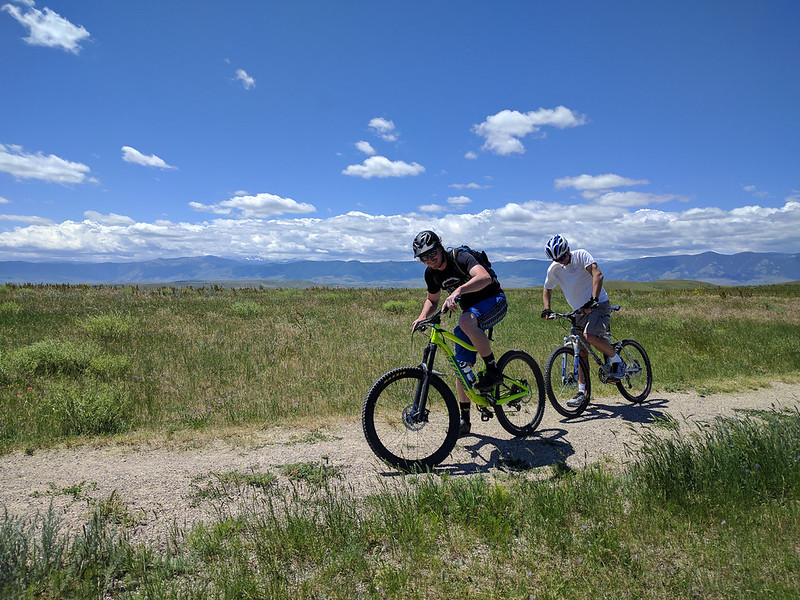
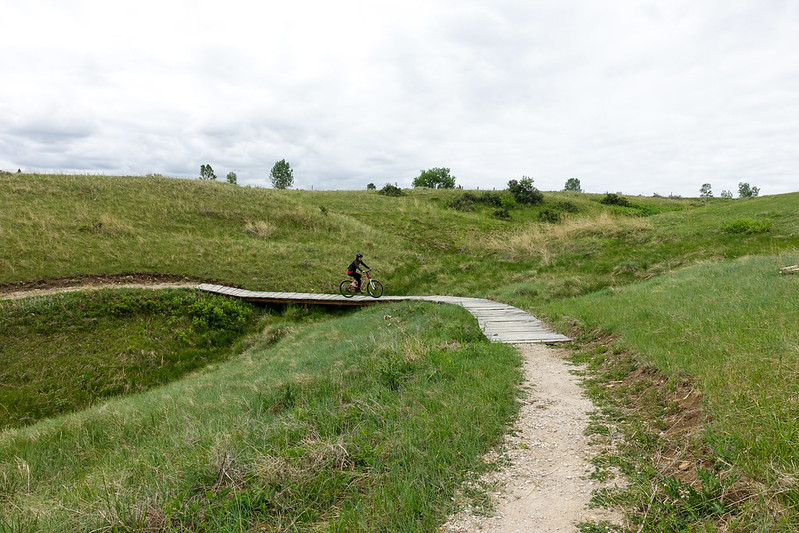
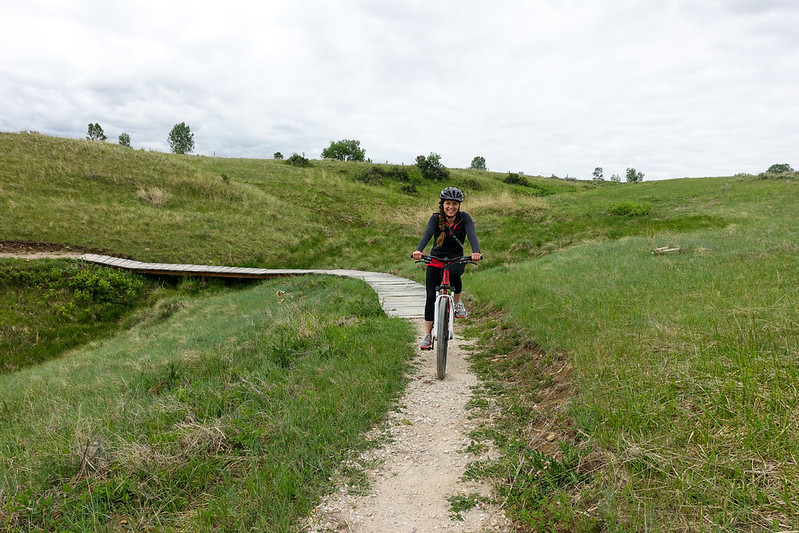
Then comes The Link Trail—a modest name for something quietly essential. At just over a mile, it does what its name promises: it connects. But it also invites. Designed with gentle grades and flow, it’s where beginners find confidence and experienced riders find rhythm. It carries you across open ground with views that stretch toward town, yet never quite returns you there.
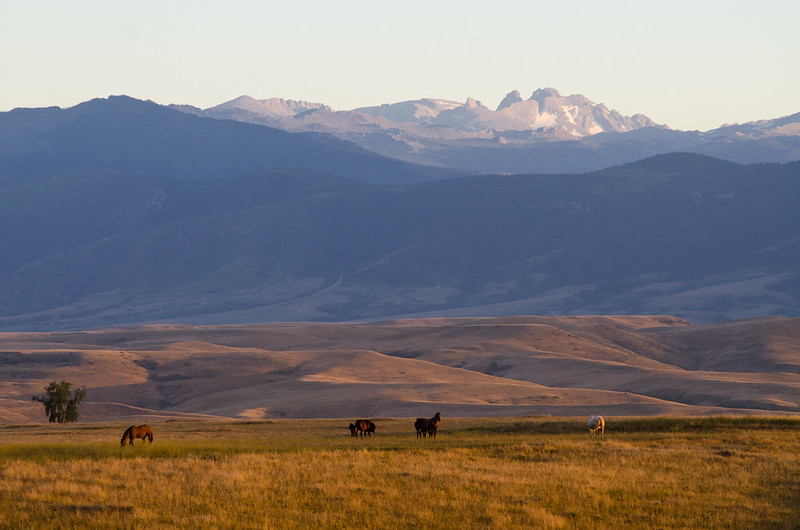
And finally, the trail that feels like a departure: Kicking Horse Trail. Here, the terrain broadens, the sky seems to deepen, and the presence of working land becomes unmistakable. This trail welcomes not just hikers and bikers, but horses too—a reminder that this is still ranch country.
Together, these trails form a loop of nearly ten miles—an experience that feels expansive, yet remains just minutes from town. But what makes this place remarkable isn’t just the terrain—it’s the collaboration beneath your feet.
Much of the Soldier Ridge Trail System exists because of a careful balance between conservation, recreation, and trust. The Sheridan Community Land Trust has worked alongside private landowners—ranch families who have chosen to share access to their land—to make these trails possible. In many places, you are quite literally crossing working ranches, landscapes that continue to produce and sustain, even as they welcome the public.
That access is not accidental. It’s built—mile by mile—through easements, partnerships, and a shared vision that recreation and ranching can exist “hand in glove.” And it is maintained just as deliberately.
Volunteers—dozens, sometimes hundreds over the course of a season—show up with tools and time. They shape berms, repair drainage, mark routes with cairns, and clear the trail after storms. They are part of what keeps this system operating smoothly, ensuring that what feels wild is, in fact, carefully stewarded. The broader trail network itself is funded through donations and community support, a testament to how deeply these places are valued.
There’s a moment, somewhere between The Link and Kicking Horse, when you look back and realize how close you still are to town—and how far it feels. That’s the quiet genius of Sheridan’s trails. They don’t demand a journey. They are the journey.
And when you descend, dust on your tires, the mountains still in view, it’s easy to understand why these paths matter—not just as recreation, but as connection. To land. To community. To the idea that access, when built with care, can feel like something both generous and enduring.